
*여행중 만난 사람들 96 – 이들은 우리보다 훨씬 잘 살았었다
(English version is below)
이번엔 안달루시아 성벽을 따라 하산 2세(현국왕) 거리를 오가며 이국(異國)의 정취(情趣)를 맛본다. 우선 이 성벽의 특이함을 엿볼 수 있다. 흔히 고대나 중세의 성벽 하면 석조물(石造物)로 쌓은 성채(城砦)나 성벽(城壁)을 연상하기 마련인데 이곳의 성벽은 적갈색의 진흙으로 쌓았다. 그 성벽의 폭과 높이에는 중후(重厚)한 멋과 오랜 역사의 무게가 실려 있다. 거리에 늘어선 싱싱한 팜츄리와 야자수 나무들은 남국(南國)의 정취를 물씬 풍겨준다.
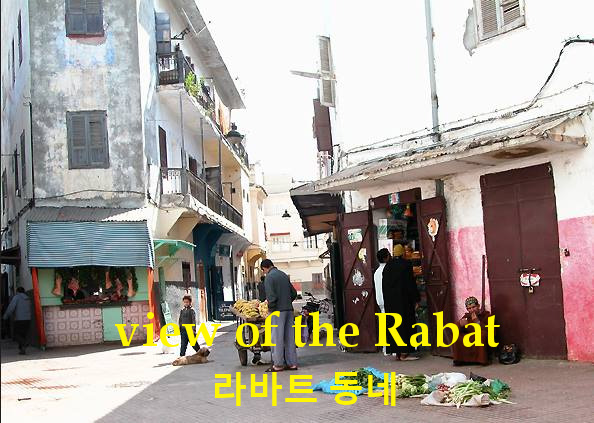
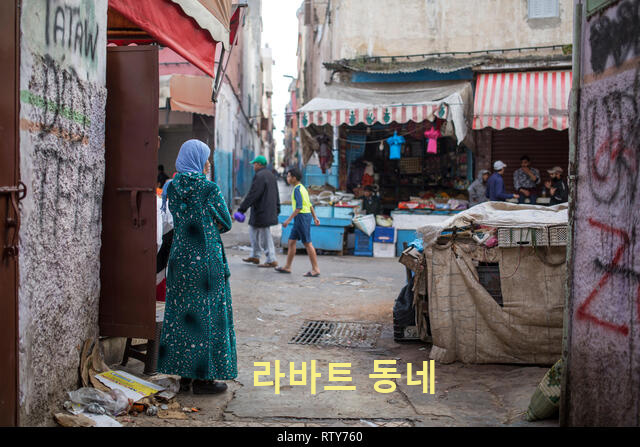
그런가 하면 빈민국(貧民國)의 어두운 면도 쉽게 볼 수 있다. 길에 쪼그리고 앉아 구걸하는 노인들, 아기에게 젖을 물리고 손을 내미는 아낙네들, 구두닦이와 까치 담배를 파는 어린이와 노점상들 등. 이들의 고(苦)된 삶의 모습은 나로 하여금 다시 1960년대 초까지의 서울의 신촌, 아현동, 염천교 다리 주변의 모습을 떠올리게 한다. 이곳 라바트 시내 중심가에서 조금 벗어나니 바로 그런 장면들이 내 눈에 쏙 들어왔다. 옛 서울의 한 부분을 다시 본 듯했다.
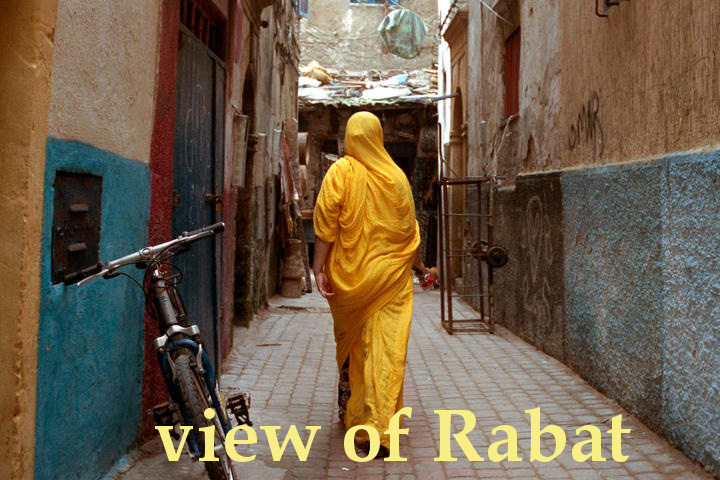
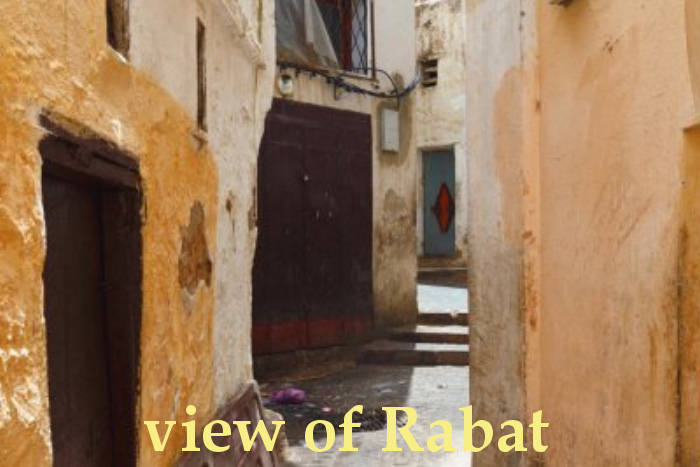
건물들을 대충 봐도 40-50년은 족히 돼 보인다. 다들 우중충하다. 건물 벽의 칠은 벗겨져있고 크고 작은 금들도 난무(亂舞)했다. 도로 안쪽으로 들어가보니, 나무판이나 양철 혹은 루핑<1950~60년대 한국에도 많이 애용>이나 슬레이트로 얼기설기 엮어 만든 허름한 집들, 하수(下水) 시설도 제대로 된 곳이 없었다. 곳곳의 쓰레기더미와 노상방뇨(路上放尿)로 악취가 진동했다.
오늘날 신촌 로터리에서 서강대교 아래로 조금 내려가면 좌측(신수동) 지역의 낮은 구릉지(丘陵地)가 있었다. 그곳에 수많은 긴 구덩이를 파놓고 서울시가 수거한 분뇨(糞尿)를 매일 쏟아 부었다. 건조된 부분을 다시 걷어내는 방식으로 60년대 초반까지 계속됐던 기억이 되살아난 것이다. (세상을 돌아보니 빈민국의 공통점이었다.)
분명 그 당시 모로코인들은 우리보다 배나 더 잘 살았다(1965년 한국 108$, 모로코 206$, -월드뱅크-). 당시 한국은 세계에서 가장 빈곤한 나라 가운데 하나였다(북한은 물론, 방글라데시, 콩고, 필리핀, 파라과이, 잠비아, 가봉, 짐바브웨 등보다 가난했다). 오늘날의 대한민국(大韓民國) GNP는 아프리카(53개국) 전체의 GNP보다 크다.
이 점만 봐도 분명 나는 기적(奇蹟)을 이룬 나라에 살고 있는 축복받은 세대임이 틀림없다. 수많은 나라의 부국(富國)과 빈국(貧國)을 여행하며 이들의 삶의 모습을 가까이서 보면 볼수록 나는 이 점을 인정하지 않을 수 없었다. 그나마 우물 밖 세상을 구석구석 들여다 본 후에야 느낀 것이지만, 하마터면 대한민국이 얼마나 자랑스러운 나라인지도 모르고 갈 뻔했는데 다행이라 생각한다 .
어딜 가나 정도의 차이는 있을망정 가진 자와 갖지 못한 자의 양극상(兩極狀)은 있게 마련. 문제는 그 간격의 폭이다. 이는 어느 나라를 막론하고 옛날로 거슬러 올라가면 올라갈수록 비교할 수 없을 만큼 그 폭이 더 넓었다. 다행히도 현대인들은 세기적(世紀的) 소수의 천재(天才)에 의한 과학과 기업 그리고 정치 발전에 의해서 불과 백 년 전, 아니 몇십 년 전만 해도 상상도 못했던 행운을 누리고 있음을 부정할 수 없다. 물론 아직도, 아니 인류사회가 존속하는 한 공존할 수밖에 없는 일부 절대빈곤은 있겠지만, 그 절대 빈곤으로 상징되는 춥고 배고픈 시절을 기적처럼 극복한 나라가 바로 大韓民國이다.
오늘날 수많은 빈곤 국가들이 한국을 모델로 동반 상승하고 있는 것 또한 사실이다. 대표적 예로 오늘날 세계여행이라는 최상위 개념의 자유와 문화를 누리는 나라들이 엄청 많아졌다는 점을 들 수 있다(2000년 중반까지만 해도 세계 유명 여행지에서 거의 볼 수 없었던 인도인, 중국인, 러시아인, 베트남인, 폴란드인, 세르비안 등을 들 수 있다.)
가령, 한국인들의 연 해외여행자 수가 2019년 현재 2871만 4000명이다(한국관광공사). 이 가운데 나를 포함해 온 국민의 절반 이상이 세계여행을 즐긴다는 뜻이다. 언감생심(焉敢生心), 이런 혜택을 누리는 행운도 결국은 다 이 소수의 천재(이승만, 박정희, 이병철, 정주영…)들 덕택이라 아니할 수 없는 이유이다.
물론, 이곳 모로코에도 예외 없는 현상이 포착된다. 비록 속도는 느리지만 이들도 세기적 천재의 혜택을 누리는 것이다. 그 혜택을 많이 누리는 자와 덜 누리는 자가 있을 뿐 함께 삶의 질(質)을 높인다는 점에선 한국과 다를 바 없었다. 비록 상호간의 폭은 여전히 존재하지만(영원히 존재할 것임), 국민 모두가 동반상승(同伴上昇)하고 있다는 점을 이곳에서도 확인할 수 있었다.
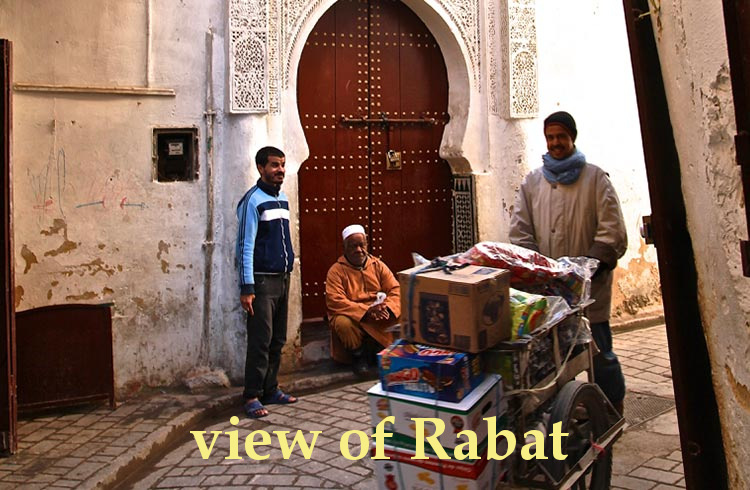
최고급 승용차들이 굴러가고, 고급 쇼핑센터와 레스토랑에서 자유와 부(富)를 누리는 사람들, 한편 앞뒤 바퀴가 따로따로 노는 듯한 자전거가 굴러가는 노상(路上)에서 빵 하나로 끼니를 때우는 이도 있기 마련이다. 금방이라도 주저앉을 것 같은 위태위태한 자전거, 거기에다 닭이나 야채 등 짐까지 가득 싣고 가는 서민(凡民)들의 모습은 매우 대조적(對照的)이다. 그러나 그들의 표정에는 부자와 별 차이가 없어 보인다.
모르긴 몰라도 이 같은 현상은 측정(測定) 가능한 물질의 양(量)보다는 보이지 않는 감사(感謝)의 양과 깊이가 클 때 나타나는 모습이 아닐까 생각해 본다.
이 같은 광경(光景)은 변두리나 지방의 모습이 아니다. 모로코의 수도인 라바트의 중심 거리에서 볼 수 있는 광경이다. 당시, 아프리카 대륙에서 가장 발달된 곳을 들라면 북아프리카의 모로코와 남아공(남아공 이야기는 나중에)이라고 하는데, 그 모로코의 수도 모습이 이 정도였다. <계속>
Thanks.
------------------
*People met on my backpacking 96 - They were much better off than we were-
(Korea with a travel population of 30 million, I strongly recommend you to visit poor countries.)
Along the walls of Andalusia, I went back and forth through the streets of Hassan II (the current king) and fell in love with the atmosphere of a foreign country. First of all, I was able to glimpse the peculiarity of this fortress wall. When I thought of ancient or medieval fortress walls, I used to think of stone walls. However, the walls of this place were built with reddish-brown mud. The great width and height of the fortress wall seemed to carry the weight of its long history and profound elegance. The fresh palm trees on the street made me feel as if I was in a southern country.
On the other hand, I could easily see the dark side of the poor country. There were old men squatting on the street begging, women breastfeeding and reaching out to beg, children shining shoes or selling cigarettes. Their hard life brought me back to the early 1960s around Shinchon, Ahyeon-dong, and Yeomchun Bridge in Seoul. Just a little out of the city center of Rabat, such scenes caught my eye. It was like revisiting a part of old Seoul in 1960.
The buildings there looked to me 40-50 years old. Many buildings were too old. The paint on the walls of the building had come off, and there were large and small cracks on them. When I went inside the road, the shabby houses made with wooden boards, tin plate, roofing, or thread, and there were no proper sewage facilities. There was a stench of garbage and urination on the street.
Today, near the Shinchon rotary near Sogang University in Seoul, there was a manure treatment plant. Seoul City used it that way until the early 1960s. I think my memories of Seoul were revived there. (Actually, it's common in poor countries.)
Obviously, Moroccans at the time were twice as wealthy as we were (in 1965, Koreans GDP of $108. Moroccans had $206.- World Bank-). At the time, S. Korea was one of the poorest countries in the world (S. Korea was poorer than N. Korea, Bangladesh, Congo, Philippines, Paraguay, Zambia, Gabon and Zimbabwe, etc.). The GNP of the Republic of Korea today is larger than that of all of Africa (53 countries).
Considering this alone, I must be a blessed generation living in a land where miracles have been accomplished. I have traveled to many rich and poor countries and saw their lives up close. The more I looked at them, the more convinced I became to admit it. If I had not known this, I would have probably ended my life not knowing the true value of the successful Republic of Korea.
In fact, wherever I go, there was a difference between the haves and the have-nots. The problem was the width of that gap. If I go back to the old days, it was wider than it is today. Fortunately, modern people are enjoying the fortune that was unimaginable only a hundred years ago or even a few decades ago, thanks to the development of science, business, and politics by a few geniuses of the century. Of course, there are still some countries with extreme poverty. Korea is a country of miracles that has escaped that terribley cold and hungry state.
It's also true that many poor countries are rising together with Korea as a model. A typical example is that there are a lot of countries enjoying the world travel culture today (Indians, Chinese, Russians, Vietnamese, Poles, Serbians, etc., which were rarely seen in the world famous travel destinations until the mid-2000s).
For example, according to the Korea Tourism Organization, the number of Koreans traveling abroad was 28,714,000 as of 2019. Among them, it means more than half of all Koreans, including myself, enjoyed traveling the world. Obviously, the luck of enjoying these benefits is ultimately thanks to these few geniuses of Korea (the founding father, Sung-Man Rhee, the father of industry, Jeong-Hee Park and the entrepreneurs, Byung-Cheol Lee, Ju-Young Chung, etc.).
Of course, here in Morocco, there's no exception. Although slow, it was clear that they too were benefiting from the genius of the century. In this respect, I thought they were no different from Korea. Although the income difference between each other still exists (surely will exist forever), the quality of life of all the people there was improving together.
Even there, luxury cars ran, and people who enjoyed freedom and wealth in high-end shopping centers and restaurants, while others ate a single loaf of bread on the road with bicycles that seemed to have separate front and rear wheels. There were also common people who were carrying loads of chickens and vegetables on their old junk bicycles that looked like they were going to sit down at any moment. But I didn't see the melancholy and grimacing look on their faces.
I don't know, but I wondered if this kind of phenomenon would appear when the amount and depth of invisible gratitude were greater and deeper than the amount of measurable matter.
A sight like this was not from the outskirts or provinces of Morocco. It was a sight to be seen on the main street of Rabat, the capital of Morocco. At that time, it was said that the most developed places on the African continent were Morocco and South Africa (the story of S. Africa will be discussed later.) But that's what I saw the real face of Morocco's capital that time.
Thanks.
|
.
|
|||